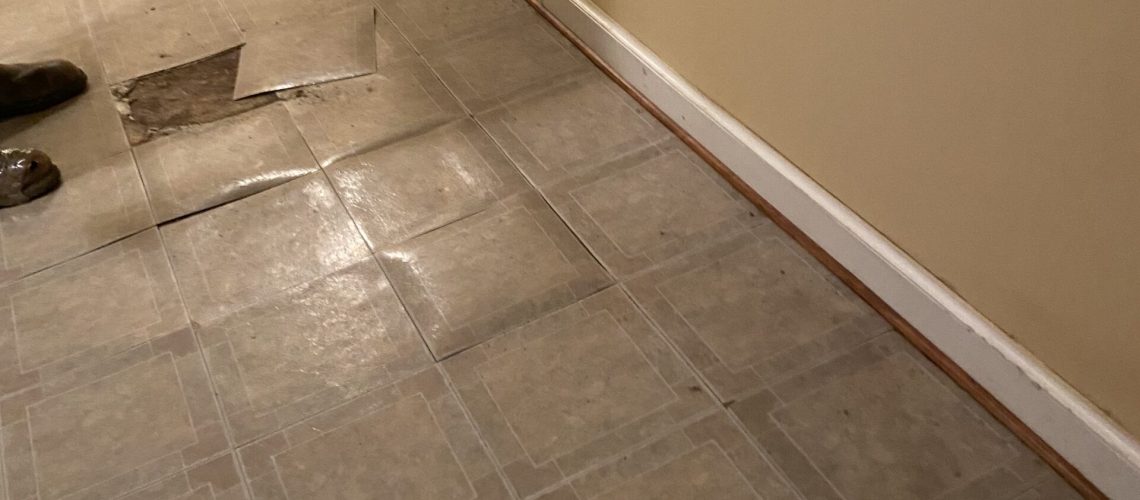
Even a slightly wet basement can cause many problems. These problems can harm your family’s health, weaken your house, cost you a lot of money, and even be dangerous. Many people think a little dampness is just an eyesore. But water can actually lead to mold growth, weaken your home’s base (the foundation), waste energy, and cause serious accidents.
This article will explain four main dangers: health, house structure, money, and safety. It will also show why basements get wet and how Once & Done Waterproofing can help. We’ve been working for over 40 years in West Virginia, Maryland, Pennsylvania, and New Jersey. Keep reading to learn about these hidden dangers, how to spot the warning signs, and why professional waterproofing with is the best solution.
What Health Dangers Does a Wet Basement Hide?
A wet basement is a perfect spot for harmful germs and tiny living things to grow. Too much damp air (humidity), standing water, and not enough fresh air (poor ventilation) help these dangers spread. Mold and mildew are types of fungi that thrive in wet areas.
They release tiny seeds, called spores, into the air. When you breathe these in, they can irritate your breathing system. This can cause sneezing, a stuffy nose, coughing, or make asthma worse. Some types of black mold can even cause headaches, tiredness, or weaken your body’s immune system.
Children and older adults are more likely to get sick, like with bronchitis or sinus infections, if these spores are in the air. It’s important to know that mold spreads these spores silently, so you need to stop them from harming your lungs and worsening allergies over time.
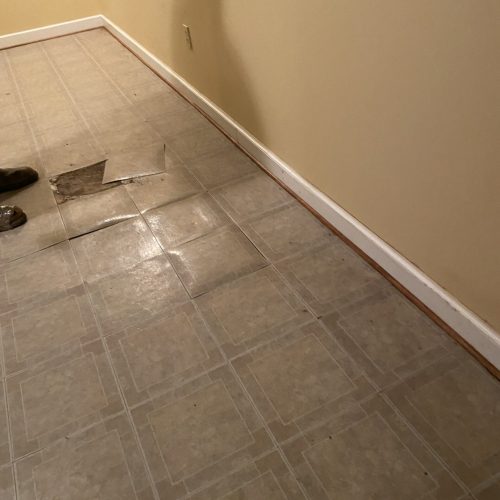
Besides mold, wet basements can also be home to many tiny germs like bacteria and viruses. These grow on wet surfaces and in still puddles. Some common ones include Legionella, which causes Legionnaires’ disease, and E. coli, which can get into puddles from soil. These tiny germs can spread into the air you breathe or your home’s water supply.
They can cause stomach problems, lung infections like pneumonia, or itchy skin. If these germs continue to grow, they will make your home unhealthy and cause ongoing health issues until the dampness is removed.
Tiny bugs called dust mites also love to feed on small bits of dirt in damp areas. They multiply quickly when the air is more than 50% wet (humidity). Their tiny droppings float in the air and can spread into your living areas. This can trigger allergies like itchy eyes, skin rashes, and a stuffy nose.
If you are exposed to many dust mites for a long time, you might develop hay fever (allergic rhinitis) or experience worse asthma symptoms. So, keeping your basement dry is very important for clean air and fewer allergy problems throughout your entire house.
Finally, too much dampness attracts mice, rats, and insects looking for shelter and water. Roaches, silverfish, termites, and mice enter wet basements to eat wood, cardboard, and moldy insulation.
Mice and rats can carry germs like Salmonella. Termites can damage the wooden parts of your house. Droppings from bugs and rodents also add more health risks with tiny allergy particles and germs in the air. To stop these pests, you must remove the wetness that draws them in and seal any openings. This shows why fixing the entire waterproofingproblem is better than just trying to get rid of pests one by one.
How Does a Wet Basement Hurt Your House's Structure?
When water stays around your house for a long time, it pushes hard on the the foundation. This can make the house weaker. This pushing force, called hydrostatic pressure, happens when the soil around your foundation becomes soaked with water.
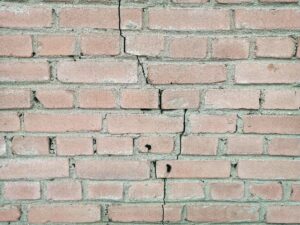
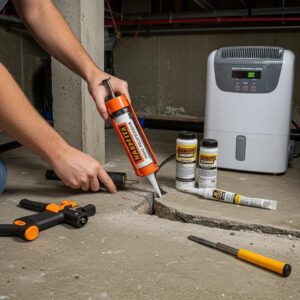
This wet soil pushes sideways against your basement walls. Over time, this push can become too strong for the concrete or block walls. It creates tiny cracks that grow larger as the wetness changes. These cracks allow more water in, which washes away the soil around the house and makes the walls less able to support the house.
If small cracks are not fixed, they can lead to walls that bow inward or floors that heave upward. This puts the entire foundation of your house at risk.
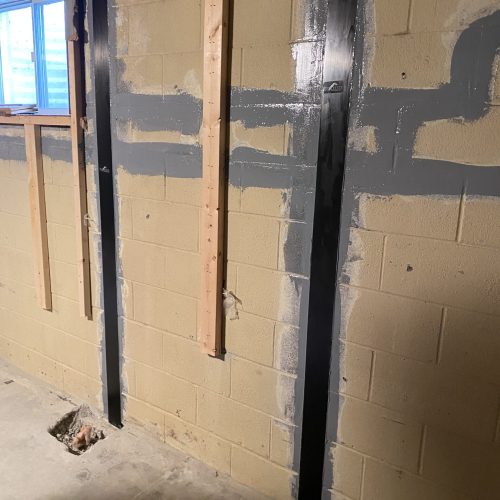
Walls that bend inward (bowing walls) occur when wet soil continuously pushes sideways on your basement walls. You might notice vertical cracks that lean inward, or sections of the wall that bulge out. This means the water’s pressure has become too much for the wall, and it could suddenly collapse if more weight is added.
Finding this problem early and fixing it—for example, by installing strong anchors inside the wall or digging outside trenches for water to drain—is very important. This helps the wall become strong again and prevents a major disaster. Wooden parts like beams, floor supports, and sill plates that stay wet for a long time will start to decay, a process called rot. Rot weakens the wood, making it unable to support as much weight, and it also attracts termites.
When the wood frame is weak, your floors might sag, doors might not close properly, and plaster or drywall upstairs could crack. To fix rotten wood, you must stop the wetness and replace the damaged wood to make the frame strong again. Also, you might see white, powdery spots on concrete or brick. This is called efflorescence. It means that salts from the ground are coming through the wall with the water and leaving a white powder when the water dries.
While efflorescence itself doesn’t directly harm the house, it’s a sign that water is constantly seeping through cracks or tiny holes in the foundation. This dampness can cause the material to break down faster, especially when it freezes and thaws. This shows why you need to fix the waterproofing.
| Problem | Why It Happens | What Could Happen Next |
|---|---|---|
Cracks in the Foundation
| Water pushing from the ground | More water gets inside |
Walls Bending Inward | Wet soil pushing on walls | House might collapse |
Rotten Wood | Always wet | Wood can’t support the house |
White Powder on Walls | Salts moving with water | Walls break down faster in cold weather |
This table shows how wetness damages different parts of your house. It proves why you need special waterproofing to fix each problem.
How Does a Wet Basement Cost You Money and Lower Your Home's Value?
A wet basement makes your house worth less money, makes repairs cost more, and raises your energy bills. People looking to buy a house see a wet basement as a big warning sign. They worry about future repair costs, cleaning up mold, and possible health dangers. House experts who guess how much a home is worth will take away 5 to 15 percent of the price if they see water damage or know the basement has been wet before.
A wet basement also means you can’t use that space, and it can make it harder to get a home loan. This makes fewer people want to buy your house. Fixing wetness problems before you sell your house makes it look better and keeps its value high.
Most homeowners spend about $5,200 for expert waterproofing. This is usually less than half of what it would cost to fix problems after they happen. Also, if your basement is too damp, your heating and cooling systems (HVAC) have to work much harder to keep the rest of your house comfy. Air conditioners run longer to dry out the air.
Heaters and water heaters also have to fight against the cold feeling that wetness brings to concrete floors. These extra efforts can make your energy bills 10 to 20 percent higher each year. Stopping the wetness helps your HVAC system run less, keeps your home’s temperature steady, and saves you money on bills.
Why Do Basements Get Wet?
Knowing why your basement gets wet helps you stop it and fix it the right way. Externally, gutters that are full of leaves, hard dirt, and missing pipes that carry water away from the roof (downspout extensions) all make rainwater gather near your house’s foundation. When water in the ground increases after a lot of rain or melting snow, it pushes hard (hydrostatic pressure) and forces water through your walls and floor cracks.
Even tiny cracks let this water from the dirt get in. This is why outside drainage systems, like French drains, are so important. They help take away the water pressure from under the ground and send the water away from your house. Fixing how water drains on the ground and sealing cracks in the foundation stops water from getting in easily, before you need bigger, harder fixes.
Internally, pipes that leak, lines from your sump pump, and drains from your heating/cooling system (HVAC) can get tiny holes or get clogged. These can drip into your basement. You might not notice these hidden pipe problems for months, and they slowly make your basement more damp. Checking your pipes often and putting the right insulation on cold water pipes helps stop wetness from forming.
How Can Experts Stop These Dangers with Waterproofing?
Expert basement and crawl space waterproofing gives you full solutions that stop wetness from every place it starts. This gives you lasting protection and peace of mind. Here are some ways we help:
- Full Basement Waterproofing & Crawl Space Encapsulation
- External Drain Systems & Installation
- Internal Sump Pump Installation
- Structural Foundation Repair & Foundation Crack Repair
Using all these ways together gives you extra protection from water running on the ground and water leaking from under the ground. Once & Done Waterproofing has over 40 years of experience helping people.
All our inside waterproofing products come with a lifetime promise. This means the protective covers and water pipes will last as long as your house. Our own workers (not outside helpers) make sure the work is done well and talk clearly with you while we are working. This helps you trust that you are getting a fix that will last forever.
Unlike quick fixes or patch kits, an expert check finds hidden spots where water gets in and weak parts of your house. Trained workers measure how wet the dirt is, check the water pressure from the ground, and look at how strong your walls are. This way of using facts helps us plan strong systems that last, instead of just quick fixes. This stops wetness problems from coming back and saves you money over time.
How Can You Tell If Your Basement Is in Danger?
Finding basement water damage early stops it from becoming big health, house, or money problems. Signs that your basement has water damage are:
- Smelling a musty, old smell, which means mold is growing.
- Seeing white powder (efflorescence) on walls, which means water with minerals is coming through.
- Paint bubbling or peeling off concrete walls.
- Finding puddles or wet spots you can’t explain after it rains.
To check for mold, wetness, and problems with your house’s structure, you can use:
- Moisture Meters: These tools measure how wet your walls and floors are.
- Mold Test Kits: These kits collect air to see if there are many mold spores.
- Looking Around: Use a flashlight to check the bottom parts of your house (foundation joints) and crawl spaces.
- Expert Checks: Trained waterproofing workers use special sound tools to find hidden leaks and cracks without breaking anything.
These checks help create special plans to fix both the signs of a problem and what’s causing it. If you see any wetness that won’t go away, puddles that keep coming back, bad smells, or cracks bigger than a tiny pencil lead (1/16 inch), call an expert for a waterproofing check right away. Fixing things early saves money on repairs, keeps your inside air clean, and protects your house’s strength. This makes sure your basement stays a safe, dry, and important part of your home.
Dry basements keep your family healthy, keep your house strong, and protect the money you put into your home. When you know all the dangers—like mold and mildew, bacteria, your home’s structural integrity, and expensive repairs—you know why you need to act fast. Expert fixes give you lasting peace of mind. They even come with a lifetime promise on inside products. Don’t let a wet basement put your home’s value or your family’s health at risk.
Have You Been Searching For A Professional, Experienced Basement Waterproofing Company In The West Virginia, Pennsylvania, Maryland, Or New Jersey Area? Once & Done Waterproofing Is Here To Help!
You know your basement is in dire need of a waterproofing specialist, but perhaps you’ve been putting it off because you’re concerned about the size, scope and yes, the price of the project. No worries! Once & Done Waterproofing is here to ease your mind.Contact us online or call us directly at 888.589.9651 to schedule your free estimate.
Here at Once & Done Waterproofing Solutions we have vast experience in the installation of the right sump pump for your unique situation. We get it done right the first time so you won’t have to worry about the safety of your home or all of the health risks associated with a damp basement or crawlspace.
With over 40 years of combined field experience we are positive we can solve your crawlspace and basement waterproofing problems for a price that won’t break the bank! We have two offices, one in Martinsburg, WV and one in Allentown, PA that helps us service areas throughout Pennsylvania, West Virginia, Maryland and New Jersey and look forward to helping you.