
Structural damageis one of the most serious problems homeowners can encounter, and spotting it early can mean the difference between a manageable repair and a costly, potentially dangerous situation. After all, your home isn’t just where you live—it’s a significant investment and the place that keeps your family safe.
But even the strongest houses can face hidden threats that jeopardize their integrity over time. In this blog, we’ll walk through what structural damage is, common signs to watch for, why it happens, and how you can fix it before it turns into a larger problem.
Understanding Structural Damage
Structural damage refers to any issue that affects the core strength and stability of your home. This usually involves the foundation, load-bearing walls, beams, columns, floor joists, and roof structure. Unlike cosmetic damage—which might look bad but doesn’t affect safety—structural damage can threaten the entire framework of your house.
Often, it starts small: a few hairline cracks, a door that sticks, or an uneven floor. But these signs shouldn’t be ignored. Structural damage rarely fixes itself, and time only makes the issue worse.
What Causes Structural Damage?
Several factors can lead to structural damage over time. One of the most common is water intrusion. Water around or under your foundation can cause the soil to shift, leading to cracking or bowing walls. Poor drainage, clogged gutters, and leaking plumbing can all contribute.
Natural settling and aging are also factors. As homes age, materials expand and contract with temperature and humidity changes. While some minor settling is normal, significant shifts can compromise your home’s support system.
Tree roots can also create problems when they grow near foundations, pushing against walls and underground footings. Severe weather events like floods, earthquakes, or heavy snow can cause or speed up structural damage.
Signs of Structural Damage You Shouldn’t Ignore
Many homeowners mistake early signs of structural damage for harmless cosmetic flaws. But even small changes can point to deeper issues.
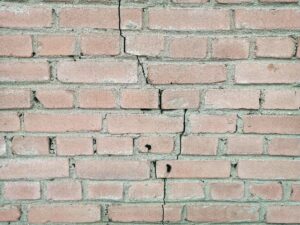
Cracks on walls are among the most common indicators. While not every crack means trouble, certain types demand attention—especially diagonal or stair-step cracks in brick or block walls, wide horizontal cracks, and cracks wider than a quarter inch.
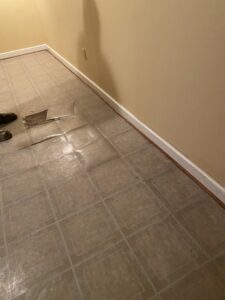
Doors and windows that suddenly stick or won’t close properly can also signal structural movement. Uneven or sloping floors may indicate foundation settling or weakened support beams. You might also notice gaps where walls meet ceilings or floors, which can be a sign that parts of the structure are shifting.
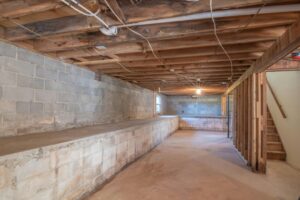
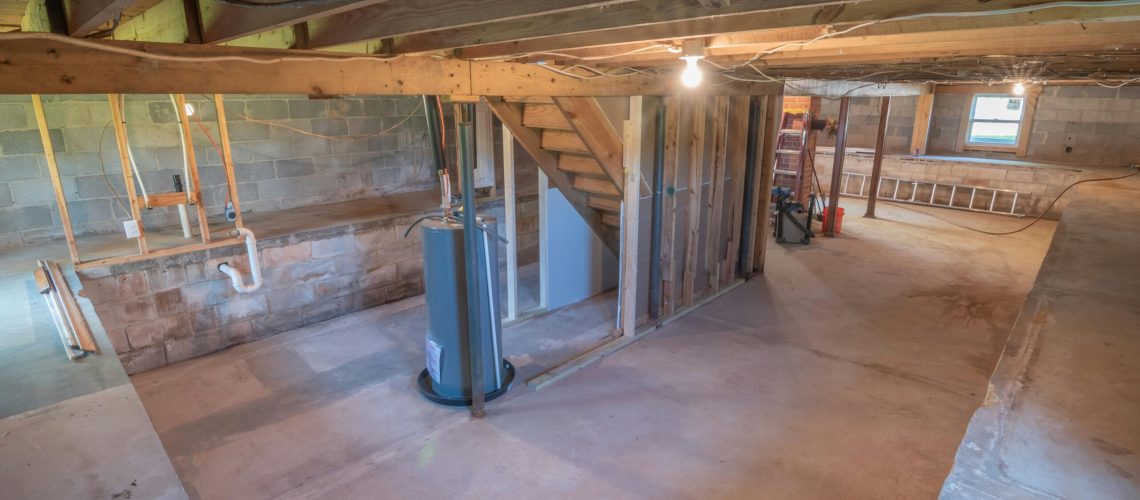
Bowing or leaning walls in a basement or crawl space can be another warning sign. If walls appear to bulge inward, it often points to external pressure from soil or water buildup outside the foundation.
While some of these signs may appear slowly, others might emerge after heavy rain or snow melts, highlighting the connection between moisture and structural damage.
How to Address Structural Damage Before It Gets Worse
Once you suspect structural damage, acting quickly is critical. The first step is to consult a professional with experience in diagnosing and repairing structural issues. Foundation repair specialists and structural engineers can assess the extent of the damage and recommend solutions tailored to your home.
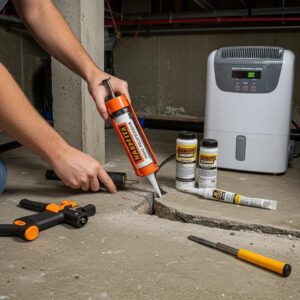
One common solution is foundation crack repair. Small cracks can sometimes be filled with epoxy or polyurethane injections, which seal the gap and help prevent water intrusion. For more severe cracks, carbon fiber strips or steel reinforcements can stabilize walls and prevent further bowing.
In cases where settling is the problem, foundation piers—such as helical piers or push piers—can be installed to support and even lift the foundation back to its original level. This process transfers the weight of the home from unstable soil to more stable ground deeper below.
For moisture-related issues, waterproofing is often part of the repair strategy. Adding interior or exterior drainage systems, such as French drains or sump pumps, helps keep water away from the foundation. Sealing crawl spaces or basements with vapor barriers can further reduce moisture that threatens your home’s structural integrity.
Prevention: The Best Long-Term Strategy
While repairs are essential when damage occurs, prevention is just as important. Keeping water away from your foundation should be a top priority. Make sure gutters and downspouts are clear and direct water several feet away from the home. Proper grading around your property ensures rainwater flows away instead of pooling near the foundation.
Regularly inspecting your home can also catch problems early. Walk around your property after heavy rains, looking for standing water or new cracks. Check the basement or crawl space for damp spots, bowing walls, or signs of mold, which can indicate excess moisture.
Trees near your home should be monitored as well. Large roots can displace soil and apply pressure to foundations, so trimming or removing risky trees may be necessary.
When to Call in the Experts
While some minor cracks might seem manageable, most structural repairs should be handled by professionals. Improperly fixed issues can worsen over time and even compromise your home’s safety.
If you notice wide or spreading cracks, leaning walls, significant floor sloping, or recurring water intrusion, reach out to a foundation repair specialist immediately. Early intervention can often mean simpler repairs and lower costs.
At Once & Done Waterproofing, we understand how stressful it can be to discover structural damage in your home. With decades of combined experience, our team can inspect, diagnose, and deliver customized solutions to keep your home safe, stable, and dry.
Structural damage isn’t something homeowners can afford to overlook. Even small signs, like cracking walls or sticking doors, can point to deeper problems threatening your home’s integrity. By learning what to look for and acting quickly, you can prevent minor issues from becoming major repairs.
Are You Noticing Foundation Cracks, Inward Wall Movement In Your Basement Or Even Windows And Doors Becoming Difficult To Open Or Close? You Should Speak With A Structural Foundation Repair Specialist As Soon As Possible.
If you’re experiencing any of the above problems in your home the foundation of your house can be in serious jeopardy! For the safety of not only your property but your family as well you should talk with an experienced structural foundation repair professional as soon as possible.
Please feel free to contact us online or call us directly at 888.589.9651 to schedule your free estimate. Here at Once & Done Waterproofing Solutions we have vast experience in the installation of the right sump pump for your unique situation. We get it done right the first time so you won’t have to worry about the safety of your home or all of the health risks associated with a damp crawlspace.
With over 40 years of combined field experience we are positive we can solve your crawlspace and basement waterproofing problems for a price that won’t break the bank! We have two offices, one in Martinsburg, WV and one in Allentown, PA that helps us service areas throughout Pennsylvania, West Virginia, Maryland and New Jersey and look forward to helping you.