A properly functioning sump pump is one of your home’s most important lines of defense against water damage. Whether you live in a flood-prone area or simply want to protect your basement from excess groundwater, your sump pump plays a crucial role in preserving your home’s structural integrity and preventing costly damage.
At Once & Done Waterproofing, we specialize in professional basement waterproofing throughout West Virginia, Maryland, Pennsylvania, and New Jersey. If you’re noticing strange behavior from your sump pump—or worse, water pooling in your basement—it could be time for a repair or even a replacement.
Let’s take a look at five common warning signs that your sump pump needs attention—and why it’s so important to act quickly.
1. The Sump Pump Is Making Strange Noises
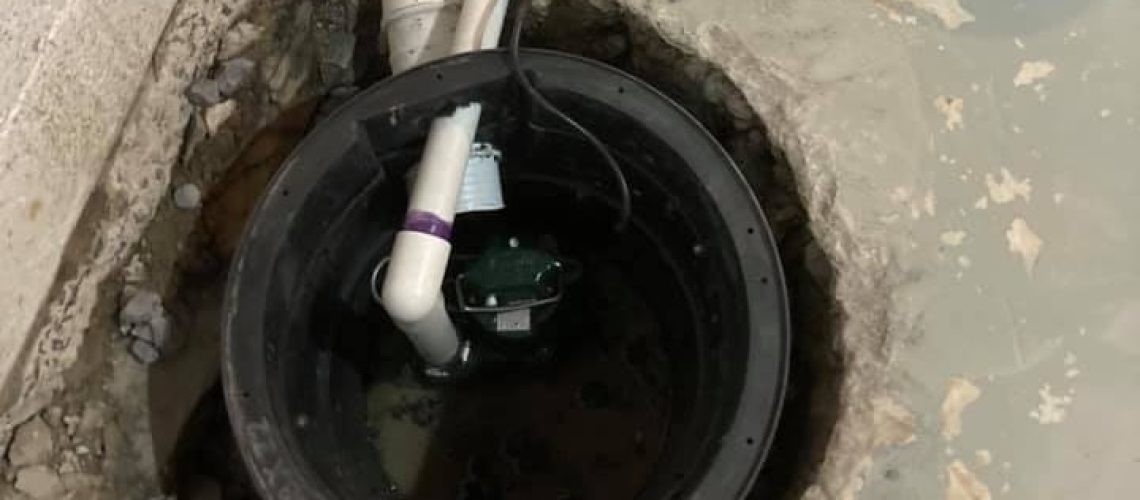
A sump pump isn’t silent, but it also shouldn’t sound like a freight train. If you hear grinding, rattling, or gurgling noises coming from your sump pit, it could indicate that the motor is failing, debris has gotten into the system, or internal components have worn down.
Common causes include:
- A jammed or broken impeller (the part that moves water)
- Worn-out bearings in the motor
- Loose parts vibrating against each other
If you hear unusual sounds, don’t ignore them. These noises often precede complete pump failure. Catching the issue early could save you from a flooded basement and a much more expensive repair bill.
2. The Sump Pump Runs Constantly (Or Not at All)
Your sump pump should turn on automatically when water levels in the pit reach a certain point, and shut off once the water is pumped out. If your pump is running non-stop, or if it never turns on even when there’s visible water, something’s wrong.
Possible issues include:
- A malfunctioning float switch
- A stuck or tangled float arm
- Electrical problems like a blown fuse or tripped breaker
- An undersized sump pump that can’t keep up with water volume
A pump that runs continuously may burn out its motor prematurely, while one that never turns on is essentially useless. In both cases, you’re left vulnerable to water damage—especially during heavy rains or snow melt.
3. Visible Rust or Corrosion
Rust on or around your sump pump could be a sign of iron bacteria—a naturally occurring organism that thrives in oxygen-rich water. Over time, this rust-like substance can clog your pump, interfere with the float switch, or block the discharge line.
Other times, rust or corrosion simply indicates old age or exposure to water over time, especially if your pump hasn’t been serviced or cleaned regularly.
Why it matters:
Even a small amount of corrosion can affect how your sump pump functions. If it’s not addressed early, corrosion can cause the pump to seize up or fail completely.
At Once & Done Waterproofing, we recommend routine inspections as part of a long-term basement waterproofing plan—especially in areas with high groundwater or mineral-heavy soil.
4. Water in Your Basement (Despite the Pump Running)
If your sump pump appears to be working—motor is running, you can hear it—but there’s still water in your basement, something’s clearly wrong. This is a red flag that your sump pump isn’t moving water efficiently or may not be pumping at all.
Possible causes:
- A clogged or frozen discharge line
- A broken check valve (which allows water to flow out but not back in)
- A failing motor or impeller
- The pump is too old and no longer performing efficiently
Standing water or even excessive humidity in your basement can lead to mold growth, wood rot, foundation damage, and ruined personal belongings. Time is critical—if your sump pump isn’t keeping your basement dry, it’s time for professional help.
5. It’s Over 7 Years Old
Most sump pumps have a lifespan of about 7 to 10 years, depending on how frequently they run and how well they’ve been maintained. If your pump is more than seven years old, it’s a good idea to start thinking about replacement—especially if you’ve noticed any of the issues above.
Aging sump pumps are more prone to mechanical failure, electrical problems, and inefficiency. Even if it’s still running, it may not be able to handle a sudden influx of water during a storm or snowmelt event.
Proactive replacement is better than waking up to a flooded basement after a heavy rain. If your pump is nearing the end of its life, get ahead of the problem and schedule an inspection with a waterproofing expert.
Why Quick Action Matters
A malfunctioning sump pump isn’t just inconvenient—it’s a threat to your home’s structural integrity. Excess moisture in your basement can weaken your foundation, invite pests, and create health risks like mold and mildew.
Ignoring the signs can result in:
- Expensive foundation repairs
- Ruined flooring and drywall
- Damaged HVAC systems or electrical wiring
- Poor indoor air quality and respiratory issues
The longer you wait to address sump pump issues, the greater the damage and the higher the cost of repair. In many cases, a simple fix or timely replacement can prevent thousands of dollars in property damage.
Are You Concerned About Water Getting Into Your Basement After A Hard Rain? Experiencing Standing Water And Can't Figure Out How It Got There? You Need To Speak To A Sump Pump Installation Professional As Soon As Possible.
If you’re experiencing excessive standing water in your basement—especially after a heavy rain—you really need to contact a sump pump installation expert as soon as possible.
Contact us online or call us directly at 888.589.9651 to schedule your free estimate. Here at Once & Done Waterproofing Solutions we have vast experience in the installation of the right sump pump for your unique situation. We get it done right the first time so you won’t have to worry about the safety of your home or all of the health risks associated with a damp crawlspace.
With over 40 years of combined field experience we are positive we can solve your crawlspace and basement waterproofing problems for a price that won’t break the bank! We have two offices, one in Martinsburg, WV and one in Allentown, PA that helps us service areas throughout Pennsylvania, West Virginia, Maryland and New Jersey and look forward to helping you.