
Basement leaks are a common yet often underestimated issue that many homeowners face. While they might start as minor inconveniences, ignoring these leaks can lead to severe structural damage, costly repairs, and health hazards. Understanding the types of basement leaks and addressing them promptly is essential for maintaining the integrity of your home. This guide delves into the various types of basement leaks, their causes, and why it’s crucial to fix them as soon as possible. For expert assistance, trust Once & Done Waterproofing, servicing West Virginia, Maryland, Pennsylvania, and New Jersey.
Common Types of Basement Leaks
1. Wall Cracks
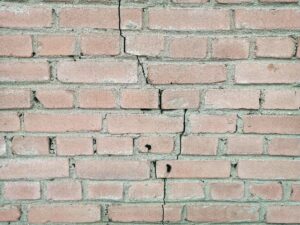
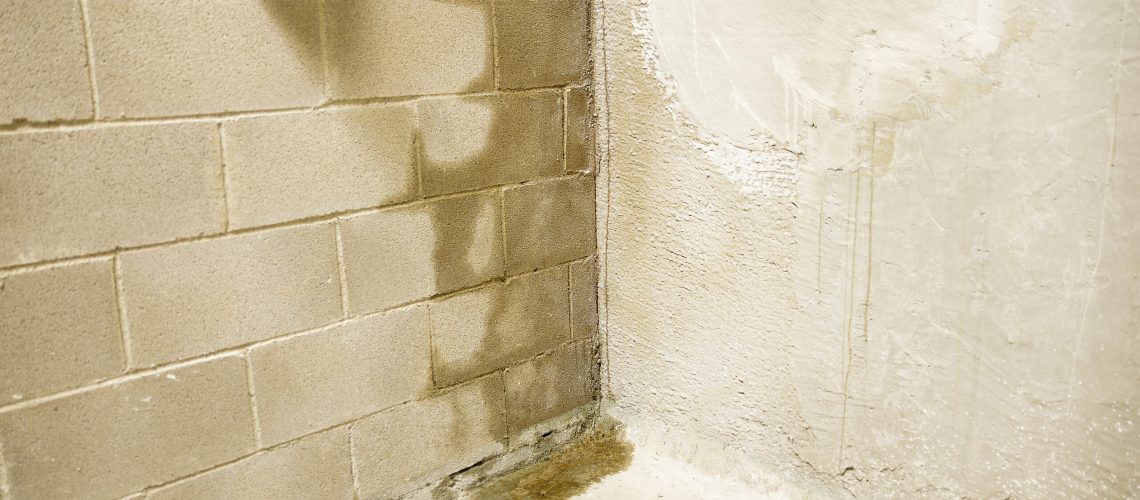
Wall cracks are a frequent source of basement leaks. These can occur due to shifting foundations, temperature fluctuations, or improper construction. Water seeping through wall cracks can be minor at first but may worsen during heavy rains or snow melts. Over time, these leaks can weaken your foundation, leading to more significant structural issues.
2. Floor Cracks
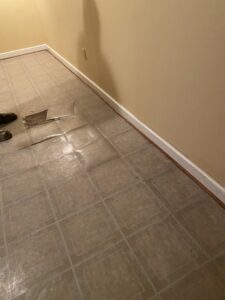
Cracks in the basement floor are another typical cause of leaks. Groundwater pressure, known as hydrostatic pressure, pushes water through these cracks. This type of leak is often exacerbated in areas with a high water table. Unaddressed floor cracks can lead to dampness, mold growth, and potential damage to stored belongings.
3. Cove Joint Leaks
The cove joint is where the basement wall meets the floor. Leaks often occur here due to hydrostatic pressure or poor drainage around the home. When water collects in this area, it can seep through the joint and create a persistent moisture problem in your basement.
4. Window Well Leaks
Basement windows are particularly vulnerable to leaks if they are not properly sealed or if the window wells lack adequate drainage. During heavy rain, water can collect in the window wells and seep into the basement. This can result in significant water damage, especially if the issue goes unnoticed.
5. Pipe Penetration Leaks
Pipes that pass through basement walls can be a source of leaks. Over time, the sealant around these pipes can deteriorate, allowing water to enter. Pipe penetration leaks can be tricky to detect and often require professional intervention to repair effectively.
6. Sump Pump Failure
A sump pump is designed to keep your basement dry by pumping out excess water. However, if the sump pump fails due to mechanical issues, power outages, or inadequate capacity, water can quickly accumulate and lead to flooding.
Why It’s Important to Fix Basement Leaks Immediately
Ignoring basement leaks, no matter how small, can have far-reaching consequences for your home’s structural integrity, health, and overall value. Here are the top reasons to address these issues as soon as possible:
1. Prevent Structural Damage
Water intrusion can weaken the foundation and structural components of your home. Prolonged exposure to moisture causes concrete to erode and wood to rot. This compromises the stability of your home and can result in costly foundation repairs.
2. Avoid Mold and Mildew Growth
Basements with leaks are breeding grounds for mold and mildew. These fungi thrive in damp environments and can spread rapidly. Mold not only damages walls, flooring, and belongings but also poses serious health risks, including respiratory issues and allergies.
3. Protect Your Home’s Value
A damp or leaky basement can significantly reduce your home’s market value. Potential buyers view basement leaks as a red flag, often leading to lower offers or difficulty selling your home.
4. Prevent Escalating Costs
Small leaks can quickly escalate into major problems if left unattended. For example, a minor wall crack might grow larger over time, leading to flooding during a heavy storm. Addressing leaks early can save you from costly repairs and extensive water damage.
5. Preserve Indoor Air Quality
Moisture from basement leaks can contribute to poor indoor air quality by promoting mold growth and increasing humidity levels. This can lead to an uncomfortable living environment and exacerbate health problems for household members.
How to Address Basement Leaks
Identify the Source
The first step in fixing basement leaks is identifying the source. Inspect walls, floors, windows, and pipe penetrations for visible cracks or water stains. Pay attention to areas prone to moisture accumulation, such as cove joints and sump pump pits.
Improve Drainage
Ensure that your home’s exterior drainage is functioning properly. This includes cleaning gutters, extending downspouts, and grading the landscape away from the foundation to prevent water from pooling near your home.
Seal Cracks and Joints
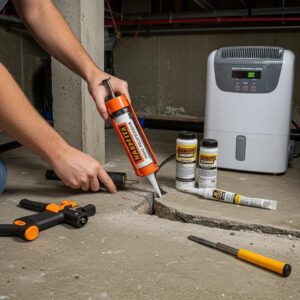
Use high-quality sealants or epoxies to seal cracks in walls and floors. For larger cracks or persistent leaks, consider hiring a professional waterproofing contractor to address the issue thoroughly.
Install or Repair Sump Pumps
Ensure your sump pump is in good working condition and capable of handling excess water. Regular maintenance and testing can prevent unexpected failures. If you don’t have a sump pump, installing one is a worthwhile investment.
Upgrade Window Wells
Install window well covers and ensure the wells have adequate drainage. This helps prevent water from pooling around basement windows and reduces the risk of leaks.
Consult a Waterproofing Expert
For persistent or severe leaks, consulting a waterproofing expert is the best course of action. Once & Done Waterproofing provides professional solutions tailored to your specific needs. Serving West Virginia, Maryland, Pennsylvania, and New Jersey, we specialize in keeping basements dry and homes safe.
Basement leaks might seem like a minor inconvenience at first, but their impact can be significant if left unaddressed. From structural damage to health hazards, the risks are too great to ignore. By understanding the types of basement leaks and addressing them promptly, you can protect your home’s integrity, maintain its value, and ensure a safe living environment for your family.
Don’t wait for a small leak to turn into a big problem. Take action today to safeguard your basement and your home. Contact Once & Done Waterproofing to get started on professional waterproofing services in West Virginia, Maryland, Pennsylvania, and New Jersey.