
Foundation cracks are a common issue faced by homeowners, but they should never be taken lightly. These cracks can be indicative of various underlying problems that, if left unaddressed, can compromise the structural integrity of your home.
In this comprehensive guide, we will explore the different types of foundation cracks, their causes, and why it is crucial to repair them promptly to ensure the longevity and safety of your property.
Types of Foundation Cracks
Hairline Cracks
Hairline cracks are very thin and often less than 1/16 inch wide. These cracks can be found in foundation walls or concrete and are generally not a cause for concern. They are caused by the natural settling of the foundation, minor shrinkage of concrete as it cures, or slight changes in temperature and humidity. While these foundation cracks are typically not structurally significant, they should be monitored to ensure they do not widen over time.
Vertical Cracks
Vertical cracks run straight up and down and can vary in width. These cracks often result from natural settling of the foundation or ground movement; however, they can signal a rising or sinking section of the foundation and can be caused by a funder of factors including erosion, soil compression, water pooling, aging, changing temperature or humidity, and ground freezing and thawing.
While these cracks are typically less serious than other types, they can still allow water to seep through overtime leading to a moisture problem in basements, crawl spaces, or other parts of the home. Monitor these cracks closely to determine in they are growing in size or letting water in the home.
Horizontal Cracks
Horizontal cracks run parallel to the ground and are often found in the middle or upper part of the foundation walls. These cracks are a sign of serious stress on the foundation and can be caused by a number of factors including hydrostatic pressure, expansive soil, or unbalanced soil.
Horizontal cracks are a significant concern as they indicate that the foundation is under severe pressure. This type of crack can lead to structural failure if not addressed promptly. If you see horizontal cracks in your foundation, call a professional immediately to come out and evaluate the best course of action to address the problem.
Diagonal Cracks
Diagonal cracks run at an angle on the foundation wall and are usually wider at one end. These cracks often occur due to differential settling, where one part of the foundation settles more than the rest. This can be due to variations in soil moisture content or the presence of tree roots.
Diagonal cracks can range from minor to severe. While most diagonal cracks don’t pose a serious threat to the foundation’s structural integrity, wider diagonal cracks suggest more significant movement. Regardless of the size, we recommend calling a professional to evaluate the foundation to prevent significant damage.
Stair-Step Cracks
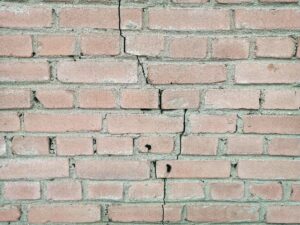
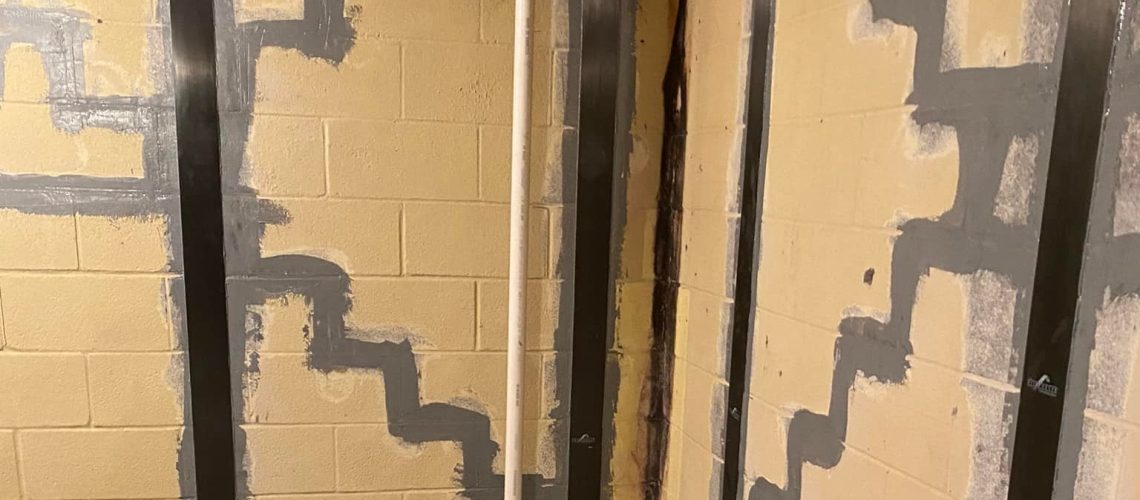
Stair step cracks are a common type of foundation crack that follows the mortar joints in concrete block or brick foundations. They create a step-like pattern and are often caused by differential settling, much like diagonal cracks.
These types of foundation cracks are concerning because they can indicate potential structural issues as well as allow water to seep into the home causing moisture damage. If you see stair-step cracks, we recommend contacting a professional to evaluate as soon as possible.
Settlement Cracks
Settlement cracks can appear in any direction and are often wider at the top than the bottom. These cracks typically occur due to normal settling of the foundation due to changes in the soil, soil moisture, or the presence of expansive soil.
While these types of cracks are common and usually not a concern, larger or widening cracks can indicate significant foundation movement and could be a sign of foundation damage. Monitor these cracks closely and if they are widening or becoming larger, contact a professional right away.
Why It’s Important to Fix Foundation Cracks Promptly
It’s important to fix cracks in the foundation as soon as possible for several reasons. Foundation cracks, especially horizontal and wide vertical or diagonal cracks, can compromise the structural integrity of your home. Addressing these cracks promptly can prevent further movement and potential collapse.
Cracks in the foundation can allow water to seep into your basement or crawl space, leading to moisture problems, mold growth, and damage to personal belongings. Sealing these cracks through basement waterproofing or crawl space encapsulation can help maintain a dry and healthy living environment.
Just like water seepage, cracks in the foundation can serve as entry points for pests such as insects and rodents. Sealing these cracks helps to keep unwanted pests out of your home.
Foundation cracks can also significantly decrease the value of your property. Potential buyers are likely to be deterred due to the associated potential costs. Addressing foundation cracks early can save you money in the long run as well as maintain the value of your home. Delaying repairs can lead to more extensive damage that requires costly interventions such as foundation underpinning or complete replacement.
Additionally, a compromised foundation poses safety risks to the occupants of the home. Not only can foundation cracks affect the structural integrity of your home, it can allow water to seep into your home and can cause water damage, mold, and mildew growth, which can pose health risks to your family. By addressing these cracks, you ensure the safety and stability of your living environment.
Steps to Address Foundation Cracks
- Inspection: Conduct a thorough inspection of your foundation to identify the types and locations of cracks. Take note of any changes in crack width or new cracks appearing over time.
- Consult a Professional: For significant or widening cracks, it is essential to consult a foundation repair specialist. They can accurately diagnose the cause of the cracks and recommend appropriate repair methods.
- Repair Methods:
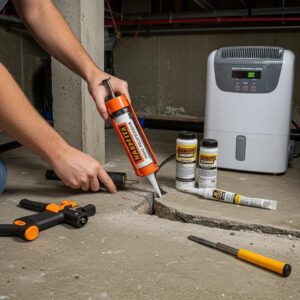
- Epoxy Injections: Suitable for hairline and vertical cracks, epoxy injections fill the cracks and restore structural integrity.
- Carbon Fiber Reinforcement: Used for stabilizing horizontal cracks, carbon fiber strips are applied to the foundation walls to prevent further movement.
- Underpinning: For severe settlement cracks, underpinning involves strengthening the foundation by extending it deeper into stable soil layers.
- Drainage Solutions: Addressing water-related issues involves improving drainage around the foundation, such as installing French drains or sump pumps.
- Regular Monitoring: After repairs, regularly monitor your foundation for any new or recurring cracks. Promptly address any issues to maintain the stability of your home.
Foundation cracks are a common yet serious issue that homeowners should never ignore. By understanding the different types of cracks and their causes, you can take appropriate steps to address them promptly.
Timely repairs not only ensure the structural integrity of your home but also prevent water damage, maintain property value, and ensure the safety of its occupants. If you notice any foundation cracks, consult a professional to assess and repair the damage, safeguarding your home for the future.
Are You Noticing Foundation Cracks, Inward Wall Movement In Your Basement Or Even Windows And Doors Becoming Difficult To Open Or Close? You Should Speak With A Structural Foundation Repair Specialist As Soon As Possible.
If you’re experiencing any of the above problems in your home the foundation of your house can be in serious jeopardy! For the safety of not only your property but your family as well you should talk with an experienced structural foundation repair professional as soon as possible.
Contact us online or call us directly at 888.589.9651 to schedule your free estimate. Here at Once & Done Waterproofing Solutions we have vast experience in the installation of the right sump pump for your unique situation. We get it done right the first time so you won’t have to worry about the safety of your home or all of the health risks associated with a damp crawlspace.
With over 40 years of combined field experience we are positive we can solve your crawlspace and basement waterproofing problems for a price that won’t break the bank! We have two offices, one in Martinsburg, WV and one in Alletown, PA that helps us service areas throughout Pennsylvania, West Virginia, Maryland and New Jersey and look forward to helping you.