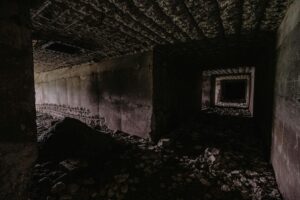


When you think about the air inside your home, your crawl space probably isn’t the first thing that comes to mind. It’s easy to forget about this hidden area beneath your floors, especially when you rarely see it. However, a damp or poorly maintained crawl space can have a much bigger impact on your home than you might realize.
Excess moisture in your crawl space can contribute to musty odors, mold and mildew growth, wood deterioration, and uncomfortable humidity levels throughout your home. Because air and moisture can move between the crawl space and the living areas above it, problems that begin underneath your home can eventually affect the spaces where your family spends most of its time.
The good news is that crawl space moisture doesn’t have to be a permanent problem. With the right combination of moisture control, drainage, insulation, and crawl space encapsulation, homeowners can create a cleaner, drier environment while helping protect the structure of their home.
What Causes High Humidity in a Crawl Space?
Crawl space humidity is usually the result of moisture entering the area and becoming trapped. One of the most common sources is the ground beneath your home. Bare soil naturally contains moisture, and water vapor can move upward into an open crawl space. After periods of rain or high groundwater, the amount of moisture surrounding your home can increase even further.
Water can also enter through foundation walls, cracks, poorly sealed vents, or drainage problems around the home. If gutters and downspouts aren’t directing water away from the foundation, rainwater can collect around the crawl space and create additional moisture concerns.
Seasonal weather can make the problem more noticeable. Warm, humid summer air entering a cooler crawl space can create condensation on floors, ductwork, pipes, and structural components. During periods of heavy rain, groundwater can also put additional pressure on foundation walls and create opportunities for water to enter.
Once moisture gets into an enclosed crawl space, it can be difficult for it to escape. Without proper ventilation and moisture control, humidity can remain elevated for extended periods.
How Can You Tell if Your Crawl Space Has Too Much Moisture?
Some crawl space moisture problems are easy to spot, while others develop gradually.
One of the most common warning signs is a musty odor. If your home consistently smells damp or musty, particularly after periods of rain or during humid weather, your crawl space could be contributing to the problem.
You may also notice visible mold or mildew on wooden joists, insulation, walls, or other surfaces. Condensation on pipes and ductwork is another indication that moisture levels may be too high.
The condition of the wood underneath your home can provide additional clues. Soft or deteriorating wood, warped materials, rusted fasteners, and damaged insulation can all indicate that moisture has been present for an extended period.
You don’t necessarily have to see standing water for moisture to become a concern. A crawl space can have a serious humidity problem even when the floor appears dry.
How Can Crawl Space Moisture Affect Your Home?
Your crawl space is part of your home’s overall environment. When moisture is allowed to accumulate underneath your floors, it can affect more than just the space below your home.
Indoor Air Quality
Air can move between a crawl space and the living areas above it through small openings around plumbing, electrical lines, ductwork, flooring, and other penetrations. If the crawl space contains excessive moisture, mold, or musty odors, those conditions can potentially affect the air inside the home.
Keeping the crawl space dry can therefore be an important part of maintaining a healthier indoor environment.
Mold and Mildew
Moisture is one of the primary conditions mold needs to grow. Once mold establishes itself on damp wood, insulation, or other materials, it can spread and become increasingly difficult to address.
Reducing moisture is an important part of preventing mold from becoming a recurring problem. If you already have significant mold growth, it is important to address the source of the moisture rather than simply cleaning the visible growth.
Structural Damage
Your crawl space contains some of the components that support your home’s floors and, ultimately, the structure above them. Persistent moisture can cause wood to deteriorate over time, potentially affecting joists, beams, sill plates, and other structural components.
Moisture can also contribute to corrosion of metal components and create conditions that attract wood-damaging pests.
The longer moisture problems are allowed to continue, the greater the potential for expensive repairs. Addressing humidity early can help protect the structure of your home.
Comfort and Energy Efficiency
High humidity can make a home feel warmer and more uncomfortable during the summer. Your HVAC system may also have to work harder to maintain a comfortable indoor environment when excess moisture is present.
A properly sealed and insulated crawl space can help create more consistent conditions beneath your home, which may contribute to improved comfort and energy efficiency.
How Does Crawl Space Encapsulation Control Humidity?
Crawl space encapsulation is one of the most effective ways to create a controlled environment beneath your home.
The process involves sealing the crawl space from the surrounding soil and outside air using a durable liner installed across the ground and along the walls. Depending on the condition and needs of the crawl space, insulation may also be installed along the walls or other areas.
By separating the crawl space from the damp ground and outside environment, encapsulation helps reduce the amount of moisture entering the space. Properly sealed penetrations and vents can further limit unwanted air and moisture intrusion.
The goal isn’t simply to cover the floor. A properly designed encapsulation system creates a sealed environment that makes it much easier to control humidity and protect the components underneath your home.
Why Is a Vapor Barrier Important?
A vapor barrier is an important part of many crawl space moisture-control systems. Installed over the ground, a quality vapor barrier helps prevent moisture from the soil from continually entering the crawl space.
For maximum effectiveness, the liner should be properly secured and sealed around seams, walls, columns, and other areas where moisture could otherwise find a pathway into the space.
A vapor barrier alone may not solve every crawl space problem. If there is standing water, active water intrusion, or significant drainage issues, those concerns should be addressed as part of a more complete moisture-control plan.
When Is a Crawl Space Dehumidifier Necessary?
Even after a crawl space has been sealed, humidity may still need to be controlled mechanically, particularly in areas with consistently humid weather or ongoing moisture concerns.
A crawl-space-rated dehumidifier can help maintain a more controlled humidity level within an encapsulated space. This can be especially helpful when eliminating every source of moisture through drainage and sealing isn’t possible.
The right solution depends on the individual crawl space. Some homes may require encapsulation and drainage, while others may benefit from encapsulation combined with a dedicated dehumidifier.
How Do Drainage Systems and Sump Pumps Help?
Encapsulation is most effective when water entering the crawl space is addressed first.
If your crawl space has standing water, groundwater intrusion, or drainage problems, a drainage system may be necessary to collect and redirect water away from the home. Depending on the property, this may include perimeter drainage, a French drain, or a sump pump system.
A sump pump can collect water and discharge it away from the foundation, helping prevent it from accumulating underneath your home.
The important thing is to address active water problems before sealing the space. Encapsulation should be part of a comprehensive moisture-control strategy—not a way to cover up an existing drainage problem.
The Benefits of Crawl Space Encapsulation
When properly designed and installed, crawl space encapsulation can provide several long-term benefits for your home.
First, it helps control moisture at one of the most vulnerable areas of the house. By limiting moisture entering from the soil and outside air, encapsulation can create a drier environment that is less favorable to mold and mildew growth.
It can also help protect the structural components beneath your home. Keeping joists, beams, sill plates, and other materials away from persistent moisture can help reduce the risk of deterioration over time.
Encapsulation may also improve comfort by creating a more stable environment beneath your floors. When combined with appropriate insulation and humidity control, it can help reduce the impact that the crawl space has on the rest of your home.
Perhaps most importantly, addressing your crawl space gives you greater peace of mind. Instead of wondering what’s happening underneath your floors every time it rains, you can have a moisture-control system designed specifically for your home’s needs.
Why Choose Once & Done Waterproofing?
Every crawl space is different. Some have standing water, while others primarily struggle with humidity. Some have drainage problems or damaged insulation, while others have years of accumulated moisture and mold concerns.
That’s why we don’t believe in a one-size-fits-all approach.
Once & Done Waterproofing has more than 40 years of combined experience helping homeowners address waterproofing, foundation, drainage, and crawl space concerns. Our team takes the time to evaluate the space, identify potential sources of moisture, and explain the available solutions.
Our goal is simple: provide quality work, practical solutions, and the peace of mind that comes from knowing your home is protected from the ground up.
Have You Been Searching for a Professional, Experienced Crawl Space Encapsulation Company In The West Virginia, Pennsylvania, Maryland, or New Jersey Area? Once & Done Waterproofing Is Here To Help!
If you’ve seen signs of mold, musty orders, dry or brown rot or even bouncy, sinking floors above or around your crawlspace you owe it to you and your family to speak with a crawlspace encapsulation and waterproofing professional as soon as possible. Contact us online or call us directly at 888.589.9651 to schedule your free estimate.
Here at Once & Done Waterproofing Solutions we have vast experience in crawlspace waterproofing and encapsulation. We get it done right the first time so you won’t have to worry about the safety of your home or all of the health risks associated with a damp crawlspace.
With over 40 years of combined field experience we are positive we can solve your crawlspace and basement waterproofing problems for a price that won’t break the bank! We have two offices, one in Martinsburg, WV and one in Allentown, PA that helps us service areas throughout Pennsylvania, West Virginia, Maryland and New Jersey and look forward to helping you.